
Discover expert surgical guides, manufacturing standards, and clinical innovations across spinal, trauma, and arthroscopy implant technologies.

Stay informed with in-depth technical analysis on titanium alloys, pedicle screws, PEEK cages, and modern orthopedic instrumentation.
ISO 13485 & CE certified orthopedic trauma implant systems engineered for intertrochanteric, subtrochanteric, and proximal femur fracture fixation.
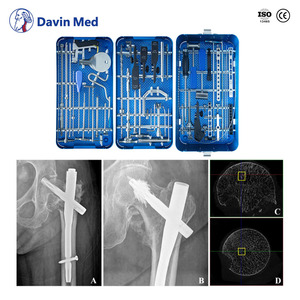
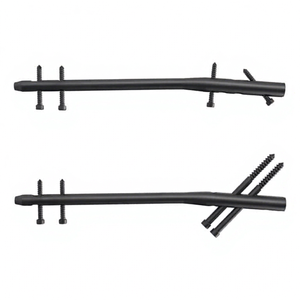
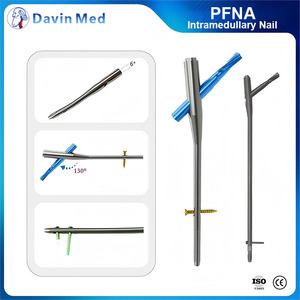
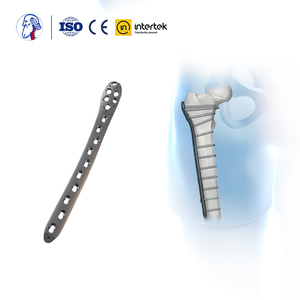
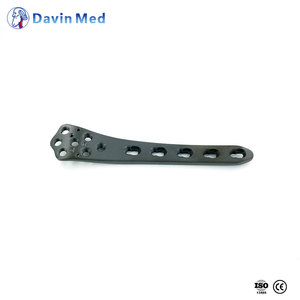
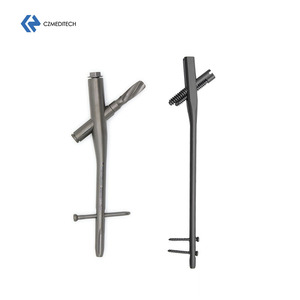
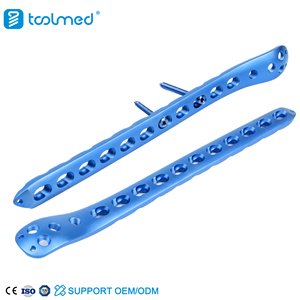
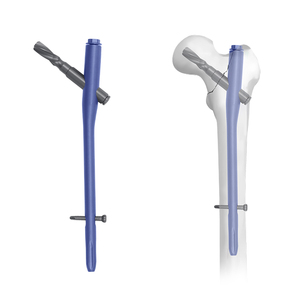
Proximal femoral fractures—encompassing intertrochanteric, subtrochanteric, and femoral neck fractures—represent one of the most critical challenges in contemporary orthopedic trauma surgery. Due to the high mechanical loads experienced at the hip joint (often exceeding 3 to 5 times body weight during gait), achieving stable internal fixation is paramount to prevent cutout, varus collapse, nonunion, and implant failure.
Historically, treatments relied heavily on Dynamic Hip Screws (DHS) or conventional extramedullary plates. However, clinical evolution has established intramedullary devices, specifically the Proximal Femoral Nail Antirotation (PFNA) system, and contoured Proximal Femoral Locking Compression Plates (LCP) as the gold standards for complex fracture patterns, particularly in geriatric patients presenting with severe osteoporosis.
Key Information Gain: Modern Chinese medical device manufacturers have bridged the gap between cost efficiency and Swiss-grade engineering. Utilizing ultra-precise 5-axis CNC Swiss-type sliding head turning centers and certified Ti-6Al-4V ELI titanium alloys, leading suppliers deliver PFNA and locking plate systems that strictly mirror international biomechanical standards (ASTM F136 / ISO 5832-3).
Understanding the anatomical forces acting on the proximal femur is vital for B2B medical procurement teams, hospital purchasing boards, and orthopedic distributors:
When selecting a Chinese manufacturer or supplier for proximal femoral locking systems, evaluating raw material purity, yield strength, and fatigue thresholds is vital for regulatory clearance (FDA 510(k), CE MDR) and surgeon satisfaction.
| Biomechanical Parameter | Titanium Alloy (Ti-6Al-4V ELI) | Stainless Steel (316L / ISO 5832-1) | Clinical / Procurement Significance |
|---|---|---|---|
| Elastic Modulus (GPa) | 110 GPa | 210 GPa | Titanium is closer to cortical bone (~18-20 GPa), significantly reducing stress shielding and bone resorption. |
| Tensile Yield Strength | ≥ 860 MPa | ≥ 690 MPa | Ti-6Al-4V provides higher static load tolerance, preventing plate bending in high-stress subtrochanteric zones. |
| Fatigue Resistance (Cycles) | > 10,000,000 cyclic loading cycles | > 5,000,000 cyclic loading cycles | Higher fatigue life minimizes micro-fracture of helical blades and locking screws under delayed healing conditions. |
| Biocompatibility & Osseointegration | Superior (Passivated Titanium Oxide layer) | Good (Nickel allergic sensitivity risk ~10%) | Titanium eliminates nickel hypersensitivity and lowers post-operative inflammatory foreign body reactions. |
| Diagnostic Artifacts (MRI / CT) | Minimal metallic scattering | Significant artifact scattering | Ti implants allow clear post-operative MRI/CT evaluation of soft tissues and joint alignment. |
Leading Chinese orthopedic manufacturers adopt vacuum plasma surface modification and micro-arc oxidation (MAO) on titanium locking plates. This treatment creates an bio-inert, corrosion-resistant surface while standardizing dynamic locking screw engagement to eliminate screw cold-welding during insertion and removal.
The global orthopedic trauma market is experiencing a paradigm shift driven by demographic aging, minimally invasive surgery (MIS), and value-based procurement. B2B buyers must align their supply chain strategies with these key technological trends:
1. Streamlined Global Certification: International procurement teams are prioritizing Chinese suppliers holding valid CE certificates under the stringent EU MDR (2017/745) regulations and US FDA 510(k) clearances. Manufacturers maintaining complete Technical Documentation Files (TDF) speed up local market registration for distributors.
2. Turnkey OEM/ODM Customization: Sourcing high-end trauma implants now involves integrated customized color-anodization, laser etching of part numbers/UDI barcodes, and custom surgical tray configurations matching regional clinical preferences.
3. Shorter Lead Times & Supply Chain Resilience: Top-tier Chinese manufacturers maintain raw material reserves of certified Carpenter/Sandvik titanium bars, guaranteeing contract delivery times within 15–30 days for bulk orders.
As a leading China-based orthopedic manufacturing hub, our production facilities utilize state-of-the-art automated machinery and unyielding quality inspection protocols. Evaluating an orthopedic implant vendor requires auditing their complete manufacturing pipeline:
Our comprehensive production spectrum covers all core trauma & spinal segments:
The PFNA system is an intramedullary device that offers superior load-sharing characteristics and a significantly smaller bending moment arm than extramedullary locking plates. Clinical trials demonstrate reduced blood loss, shorter operating times, earlier post-operative weight-bearing, and lower cutout rates in unstable intertrochanteric fractures (AOTrauma 31-A2 and A3). However, proximal femoral locking plates remain the preferred choice when the trochanteric entry site is severely comminuted or when treating subtrochanteric fractures extending into the shaft.
Titanium Alloy (Ti-6Al-4V ELI / ASTM F136) is highly recommended for premium markets and national tenders due to its superior biocompatibility, lower elastic modulus (reducing stress shielding), and MRI compatibility. Stainless Steel (316L / ISO 5832-1) serves as an economically viable alternative for cost-sensitive markets without compromising structural integrity or mechanical yield strength.
Our manufacturing facilities are fully audited and certified under ISO 13485:2016 quality management systems. Implants carry CE certification compliant with EU Medical Device Directives/Regulations (MDR), alongside GMP (Good Manufacturing Practice) compliance and FDA listing, ensuring seamless regulatory clearance across Europe, Latin America, Southeast Asia, and the Middle East.
Yes. We specialize in turnkey B2B solutions. We provide custom laser-marking (logos, lot numbers, UDI barcodes), specialized anodization color coding (e.g., gold/blue/green for quick screw identification), customized surgical instrument trays, and customized packaging compliant with sterile barrier standards (ISO 11607).
For standard catalog products (PFNA nails, locking plates, standard screws), orders are dispatched within 7 to 15 business days. For customized OEM/ODM projects, prototyping takes approximately 20 to 30 days. We maintain flexible MOQ policies to accommodate both specialized trial shipments and large-scale government supply contracts.
Our PFNA locking mechanisms utilize a dynamic internal locking element that positively engages with the helical blade upon insertion. Combined with optimal Tip-Apex Distance (TAD < 25mm) targeting instrumentation, our precision-machined threads and locking caps lock the blade securely, preventing dynamic back-out while allowing controlled collapse when required for fracture compression.
