
Discover expert surgical guides, manufacturing standards, and clinical innovations across spinal, trauma, and arthroscopy implant technologies.

Stay informed with in-depth technical analysis on titanium alloys, pedicle screws, PEEK cages, and modern orthopedic instrumentation.
Engineered with high-precision CNC 5-axis machining, biocompatible carbon fiber reinforced composites, and 3D porous titanium technologies meeting EU MDR 2017/745 standards.
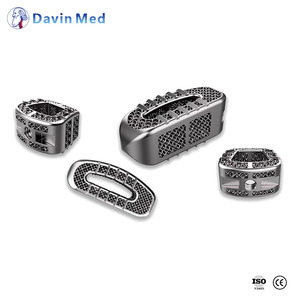
Porous spine orthopedic implant with Trabecular-like architecture for accelerated osteointegration in cervical & lumbar surgeries.
Send an Inquiry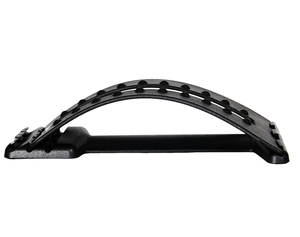
High-strength forged pedicle screw and spinal fixation rod systems engineered for heavy load-bearing structural lumbar stability.
Send an Inquiry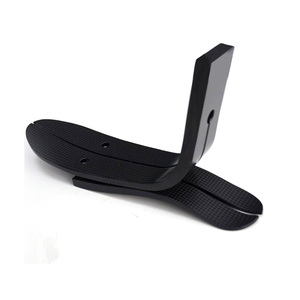
Ultra-lightweight, high-rigidity carbon fiber composite components tailored for surgical tools, prosthetics, and robotic guidance arms.
Send an Inquiry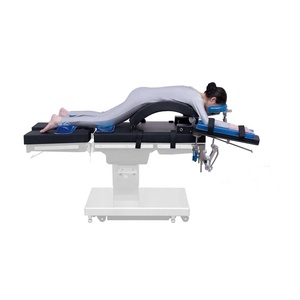
Radiolucent surgical positioning frame allowing unobstructed 360-degree fluoroscopy during complex spinal decompressive procedures.
Send an Inquiry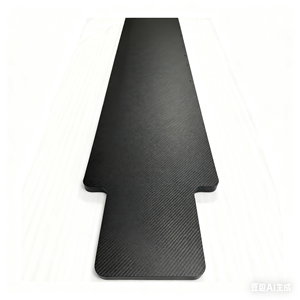
Low-density, artifact-free bone fixation structural plate designed for fatigue resistance and optimal biomechanical stress transfer.
Send an Inquiry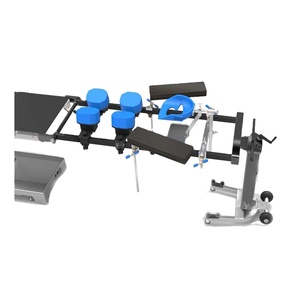
Ergonomic traction frame for cervical spine traction and lumbar disc replacement with integrated full radiolucent visibility.
Send an Inquiry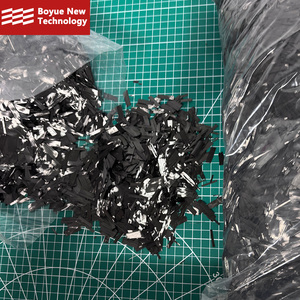
Chopped 10mm-25mm carbon fiber tow designed for compression molding of custom prosthetic sockets and orthopedic implants.
Send an Inquiry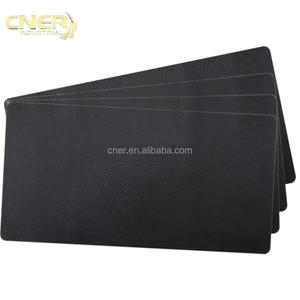
Radiolucent composite board for operating table tops, imaging beds, and external fixation structural supports with zero scattering.
Send an InquiryCarbon Fiber Reinforced PEEK (CFR-PEEK) provides total X-ray, CT, and MRI permeability, enabling accurate post-operative tumor evaluation and bony fusion monitoring without metallic distortion.
With an elastic modulus of ~18 GPa matching cortical bone, our carbon fiber spinal cages prevent stress shielding, reduce subsidence risk, and stimulate physiological bone remodeling.
Equipped with Swiss-type automatic lathes and 5-axis CNC machining centers, we fulfill custom anatomical design requirements for top-tier Austrian surgical device brands.
As Austria’s healthcare infrastructure continues to modernize—driven by prestigious orthopedic institutions in Vienna, Graz, Innsbruck, and Salzburg—the demand for advanced orthopedic implants has shifted dramatically toward Carbon Fiber Reinforced Polymers (CFR-PEEK) and carbon fiber composites. Historically dominated by titanium (Ti-6Al-4V ELI) and stainless steel (316L), spinal fusion procedures now demand materials that reduce imaging interference while preserving mechanical integrity under cyclic physiological stress.
This technical whitepaper examines the biomechanical benefits, regulatory compliance protocols, localized Austrian application trends, and supply chain efficiencies offered by China's leading carbon fiber medical device manufacturing centers.
The primary limitation of traditional titanium spinal cages and pedicle fixation systems lies in the mismatch of mechanical stiffness. Titanium possesses an elastic modulus of approximately 110 GPa, whereas human cortical bone exhibits a modulus between 12 and 18 GPa. This stark variance often leads to severe stress shielding, causing bone resorption around the implant and increasing long-term implant subsidence rates.
In contrast, Carbon Fiber Reinforced Polyetheretherketone (CFR-PEEK) continuous carbon fiber matrices offer an elastic modulus engineered specifically between 15 GPa and 20 GPa. By mimicking natural bone mechanics, load distribution across the interbody space remains uniform, accelerating interbody fusion while maintaining structural stability.
| Material Profile | Elastic Modulus (GPa) | CT/MRI Radiolucency | Fatigue Strength (ASTM F2077) | Subsidence Risk Profile |
|---|---|---|---|---|
| CFR-PEEK Composite | 15 – 22 (Bone-Matched) | 100% Artifact-Free | Superior (>5,000,000 Cycles) | Minimal / Ultra-Low |
| Unreinforced PEEK | 3.5 – 4.0 (Under-stiff) | 100% Artifact-Free | Moderate | Low to Moderate |
| Titanium Grade 5 (Ti-6Al-4V) | 110 – 114 (Over-stiff) | Severe Metal Artifacts | High | High (Stress Shielding) |
| Stainless Steel (316L) | 190 – 210 (Rigid) | Extreme MRI Distortion | High | High |
For surgical teams operating within Austrian specialized university clinics (such as the Medical University of Vienna or General Hospital Graz), post-operative monitoring is paramount—particularly in spinal oncology cases. Metallic implants create massive scattering artifacts on magnetic resonance imaging (MRI) and computed tomography (CT) scans, obscuring early detection of tumor recurrence or hardware loosening.
Carbon fiber composite spinal systems are entirely radiolucent. Radiologists can clearly visualize the spinal canal, dural sac, and adjacent neural foramina without distortion. Integrated tantalum or titanium marker pins provide clear baseline alignment on standard intraoperative X-rays without compromising diagnostic post-operative MRI clarity.
Clinical Insight: Clinical studies conducted across Western European neurosurgical trauma centers reveal that radiolucent carbon fiber implants reduce post-operative radiotherapy planning margins by up to 35%, allowing radiation oncologists in Austria to deliver targeted therapy without metal-induced scatter interference.
Importing orthopedic medical devices into Austria requires rigorous adherence to European Union Medical Device Regulation (EU MDR 2017/745) and national ÖNORM frameworks. As a premier Chinese manufacturer, our facility operates under full ISO 13485:2016 Medical Quality Management System standards, ensuring direct compliance with European procurement standards.
Every batch of raw carbon fiber matrix, PEEK polymer, and titanium alloy undergoes thorough chemical characterization, biocompatibility testing (ISO 10993 series), cleanliness validation, and mechanical stress evaluation (ASTM F1717 for spinal constructs and ASTM F2077 for interbody cages). Full technical documentation (Technical File / STED format) is provided to Austrian distributors to support seamless CE marking certification and clinical evaluation report (CER) reviews.
Austrian surgical practices emphasize minimally invasive spine surgery (MISS), active trauma rehabilitation in Alpine emergency medical centers, and degenerative disc therapies for an aging demographic. Our carbon fiber product suite directly addresses these localized operational needs:
Over the past decade, Chinese medical device manufacturing has transformed from contract assembly to high-precision engineering leadership. Leveraging state-of-the-art 5-axis CNC machining centers, automatic sliding head CNC machines, vacuum compression molding for carbon composites, and Class 10,000 cleanrooms, our factory delivers world-class implants at a fraction of Western European production costs.
By partnering directly with a top Chinese factory, Austrian B2B medical buyers, OEM brands, and surgical instrument importers eliminate intermediary markups while obtaining fully certified, high-performance spinal devices with custom branding, laser marking, and tailored packaging configurations.
Essential insights for medical device procurement managers, orthopedic distributors, and hospital purchasing officers in Austria.
Elevate your medical product portfolio with certified radiolucent spinal cages, trauma plates, and carbon fiber surgical frames tailored for the Austrian market.
Send an Inquiry